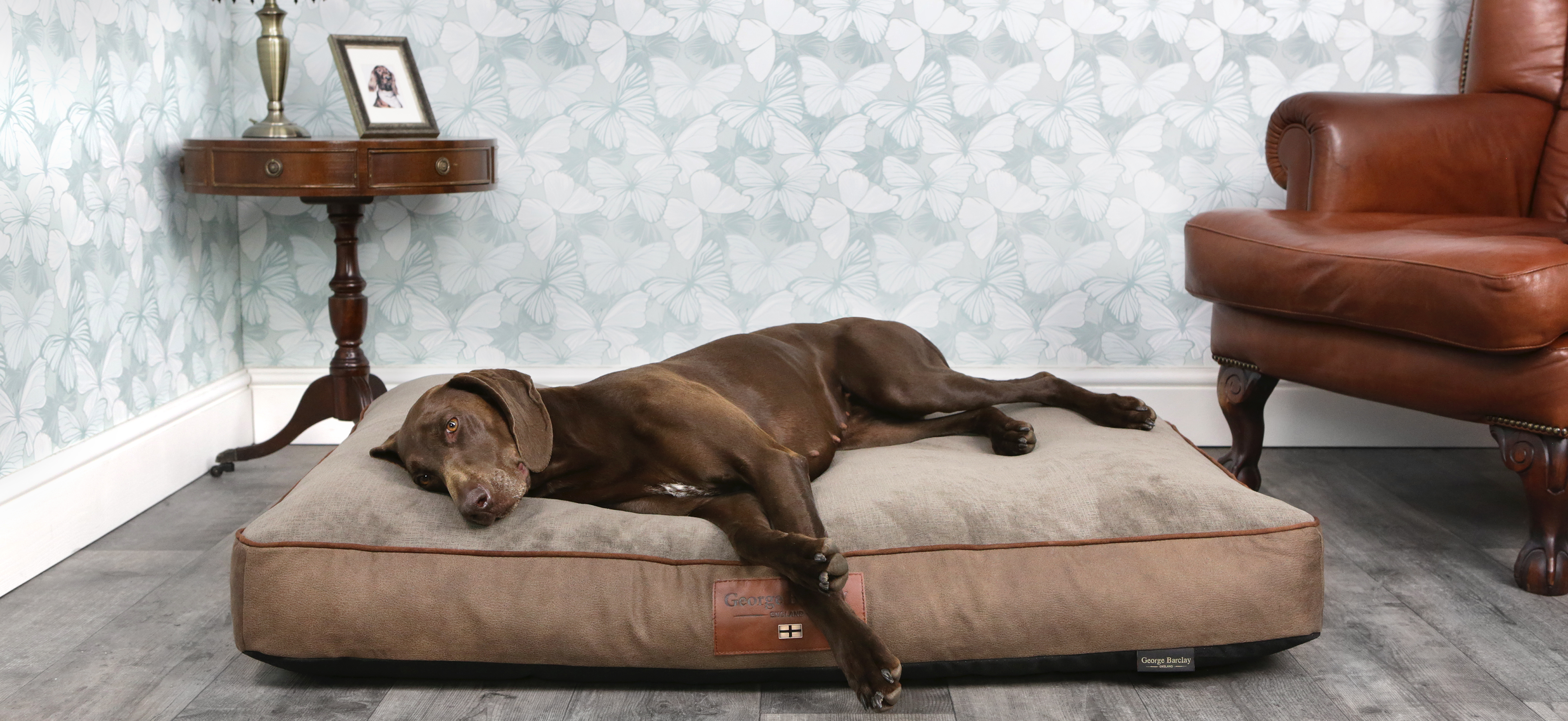
Have you recently bought your pet a new bed, and they’ve been shying away from laying down, much less sleeping on it? This is a common occurrence, especially since dogs like being familiar with their environments before they’re 100% fully comfortable.
Like humans, dogs typically take their time before finally settling into a new space. Remember that your dog’s bed is their own private space, which should give them comfort and security.
So, if you’re planning on giving your pet a new bed or if you already have one, this article will help you introduce your dog’s new space so that they’ll be sleeping on it in no time.
Why Should Pets Have Their Bed or Private Space?
When you’re a new pet parent, you’re probably dreaming of letting your dog cuddle with you during bedtime or having them near you at all times when you’re at home. While this is perfectly okay, it’s recommended that you offer your dog their own private space or bed that they can call their own.
This not only offers them a quiet retreat when they want their alone time, but it can also offer them various benefits.
These benefits include:
-
Comfort and security
Giving your dog a familiar space is one of the best things you can give them, especially during periods that may cause them to feel unsettled - like house moving or socialization. With their bed, they can feel comfortable within a space that they’re fully familiar with, which may offer them a sense of security. This can help them better cope both physically and emotionally.
-
Peace of mind and reduce anxiety
While dogs are some of the most patient and understanding creatures in the world, there are times that they will get frustrated or even angry. If you’re expecting rowdy guests or overzealous children, offering them a private space where they can hide will do wonders for their anxiety.
-
Uninterrupted sleep
Dogs spend a considerable amount of time sleeping, with most spending up to 14 hours a day in dreamland. This helps them replenish their energy and help their bodies recuperate after tiring activities or after a long walk. This also means that they need uninterrupted sleep so that they can rest as much as they want.
By offering them their bed or their own “room,” your dog can retreat to their corner and relax without the fear or anxiety of being woken up abruptly.
5 Ways to Introduce a New Pet Bed to Your Dog
Now that you’re familiar with the benefits of giving your pet its bed, it’s now time that you learn how to introduce their space gradually.
Here are five ways to help your pet get accustomed to resting in their bed:
1. Find a Quiet and Private Area in Your Home
The first step in introducing a new pet bed is to find a quiet and private space in your home. You have the freedom to choose where, whether you plan to place the bed in the living room, your bedroom, or a quiet room where your pet will get uninterrupted rest.
However, you need to understand that some dogs prefer sleeping in one specific area of the house, so that would be a great place to start your bed introduction.
While you may introduce your bed in any place, you’ll have higher chances of success if you find that one special place in your home. Place your pet’s bed in the space where they usually lie down, and apply the next steps.
2. Don’t Skimp on Positive Reinforcement
When introducing unfamiliar things to your dog, you need to stock up on a lot of treats, toys, and cuddles - any type of positive reinforcement. This also applies to introducing your pet’s new bed.
Cognitive training involves engaging your dog in different brain-stimulating activities, such as problem-solving tasks and memory games. Try putting their favourite toys on their bed, or giving them a few treats when they lie down on it. This will help them associate their bed with positive emotions and experiences and thus encourage them to seek out their space whenever they feel anxious or tired.
3. Consider Your Pet’s Bed Needs
Much like humans, your dogs may have their bed preferences. For example, some dogs may want a softer bed, and some may prefer laying on firmer options.
If your dog likes lying down on the carpeted floor or hardwood, they might want a sturdier bed - while dogs who like lying in bed with you or claiming a spot in your sofa might like a softer option where they can sink in after a tiring activity.
Aside from the firmness of the pet bed, dog breeders in Queensland also consider the pet’s bed’s size, durability, and fabric. For your pet bed’s size, choose one where your dog can comfortably lie down flat without needing to curl up just to fit.
Measure your dog from the end of their snout to their butt, and from the top of their head to the end of their front paw. This will give you a good estimate of the bed size you’ll need.
For durability, this depends on your pet’s energy levels and personality. For younger pets still keen on chewing on furniture or random things around the house, you’ll need a sturdier chew-proof option.
For older and more mellow dogs, you can choose beds made out of cotton, faux fur, or flannel.
4. Add a Familiar Element to Their Bed
To encourage your pet to spend more time in their bed, consider adding familiar elements - such as familiar smells or familiar textures. If your pet has a favourite stuffed toy or a puppy blanket, place these things on top of their bed so that they’ll get a sense of security and familiarity from the get-go. Another excellent idea is to add pillows that you’ve used so that they’ll have your scent on their bed to keep them comfortable.
5. Don’t Rush Your Pet
Lastly, remember to be patient with your pet as you help them navigate their new private space. Don’t rush them into sleeping on their new bed or force them by containing them in a confined space. This may work counterproductively to what you’re trying to do because they’ll associate it more with negative experiences. Be patient, and help your dog become accustomed to their bed at their own time.
Invest in a Good Quality Dog Bed
A good-quality dog bed should be comfortable, supportive, and durable. It should provide ample cushioning to keep the dog comfortable while at the same time providing enough support to keep the dog's joints and muscles aligned.
It should be made of a material that is easy to clean and resistant to wear and tear. Additionally, the bed should be sized appropriately for the dog and should have a non-slip bottom to keep it in place. Finally, the bed should be attractive so that it fits in with the home’s décor. Thats what Creatures of Comfort boast Australia's largest colour range in dog beds.
Follow These Steps, and Your Dog Will Be Sleeping in Their Bed in No Time
Now that you know these five steps in introducing your pet to their new bed, it’s time for you to apply these at home. Remember, you want your pet to be as comfortable as possible, so ensure that you’re helping them associate their new private space with positive emotions and feelings of happiness and security.
Good luck, and we hope your pet loves their new bed!